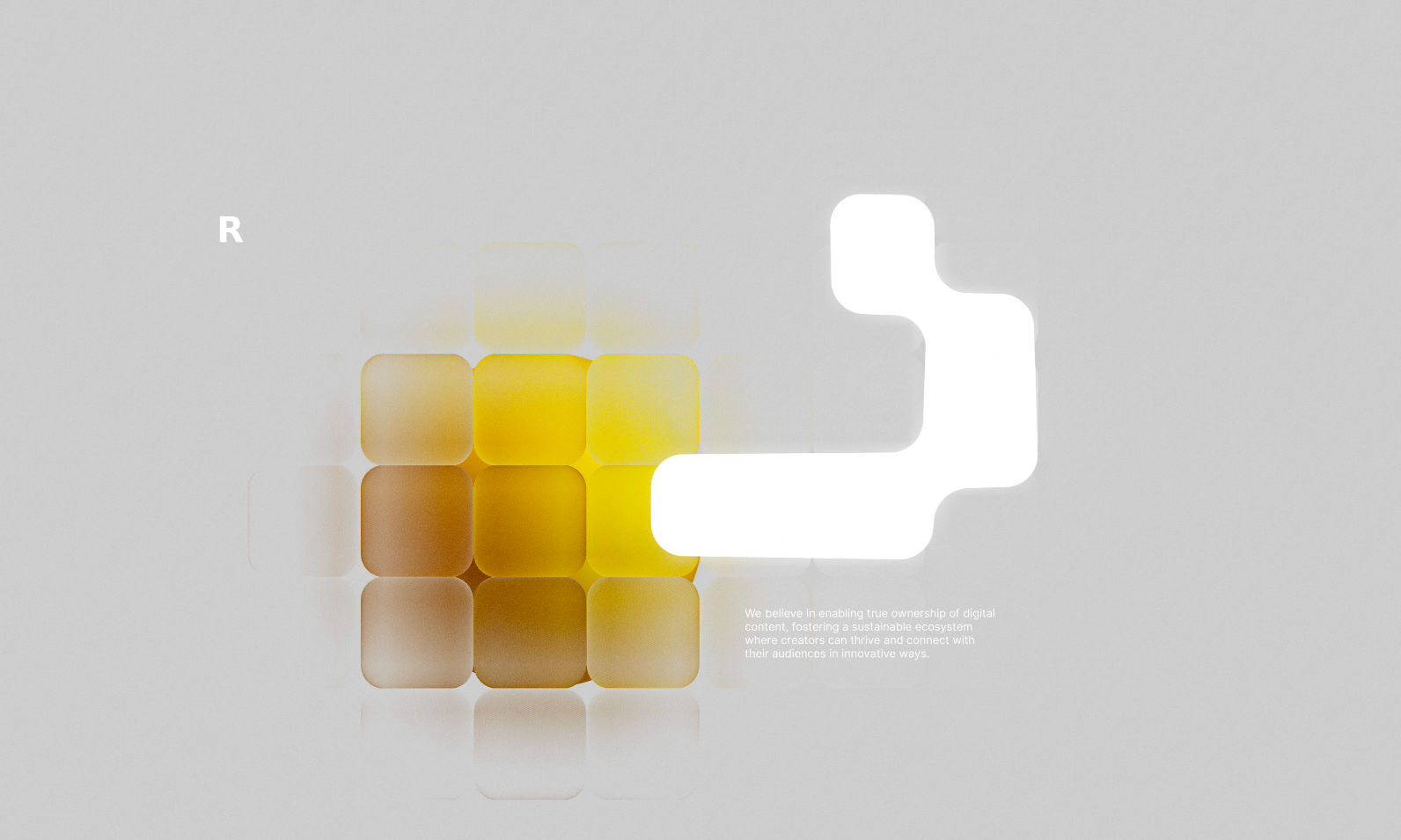
Lumina Glass – Masterclass in Code-Based Glassmorphism
This project explores the intersection of transparency, blur, and lighting—all achieved through pure code. While many designers turn to 3D tools like Spline to achieve these tactile, "frosted" textures, Lumina Glass proves that standard web technologies can replicate complex optical physics.
🚀 Technical Approach
- Dynamic Layering: Using absolute positioning and high z-index management to create the illusion of physical depth.
- Backdrop Filters: Extensive use of
backdrop-filter: blur()combined with semi-transparent RGBA borders to define the edges of the "glass" panes. - Lighting & Glow: Inner shadows (
box-shadow: inset) and radial gradients are used to simulate a light source behind the frosted material, creating that signature amber warmth. - Responsive Geometry: A grid-based layout of rounded squares that maintains its structural integrity across different viewport sizes.
🎨 Design Decisions
- Frosted Texture: A subtle noise texture overlay was applied via aQ CSS background-image to break up digital perfection and give it a physical, grainy feel.
- Minimalist Branding: The singular "R" serves as an anchor point, utilizing high-contrast white to pop against the diffused background.
- Color Theory: Using a monochromatic gray environment to make the central "heat map" of yellows and oranges feel more intense and focused.
✨ Key Features
- Pure CSS Execution: No heavy 3D assets, resulting in lightning-fast load times.
- Refractive Borders: 1px solid borders with varying opacity to simulate how light catches on the edge of a glass slab.
- Hover Interactions: Smooth transitions that shift the internal glow, mimicking the movement of a light source behind the interface.
🔗 Live Application: Visit here: Lumina Glass